Guide
Degrease sticky kitchen cupboards
The tacky film above a hob is airborne cooking fat that has gone sticky. It needs an alkali and a few minutes, not pressure.
- Difficulty
- Easy
- Time
- 40 minutes
Guide
The tacky film above a hob is airborne cooking fat that has gone sticky. It needs an alkali and a few minutes, not pressure.
Guide
Simmer, soak, lift. Almost every burnt pan comes back without a scourer and without ruining the base.
Guide
Let water do the work. Five minutes of steam turns baked-on splatter into something that wipes off with a damp cloth.
Guide
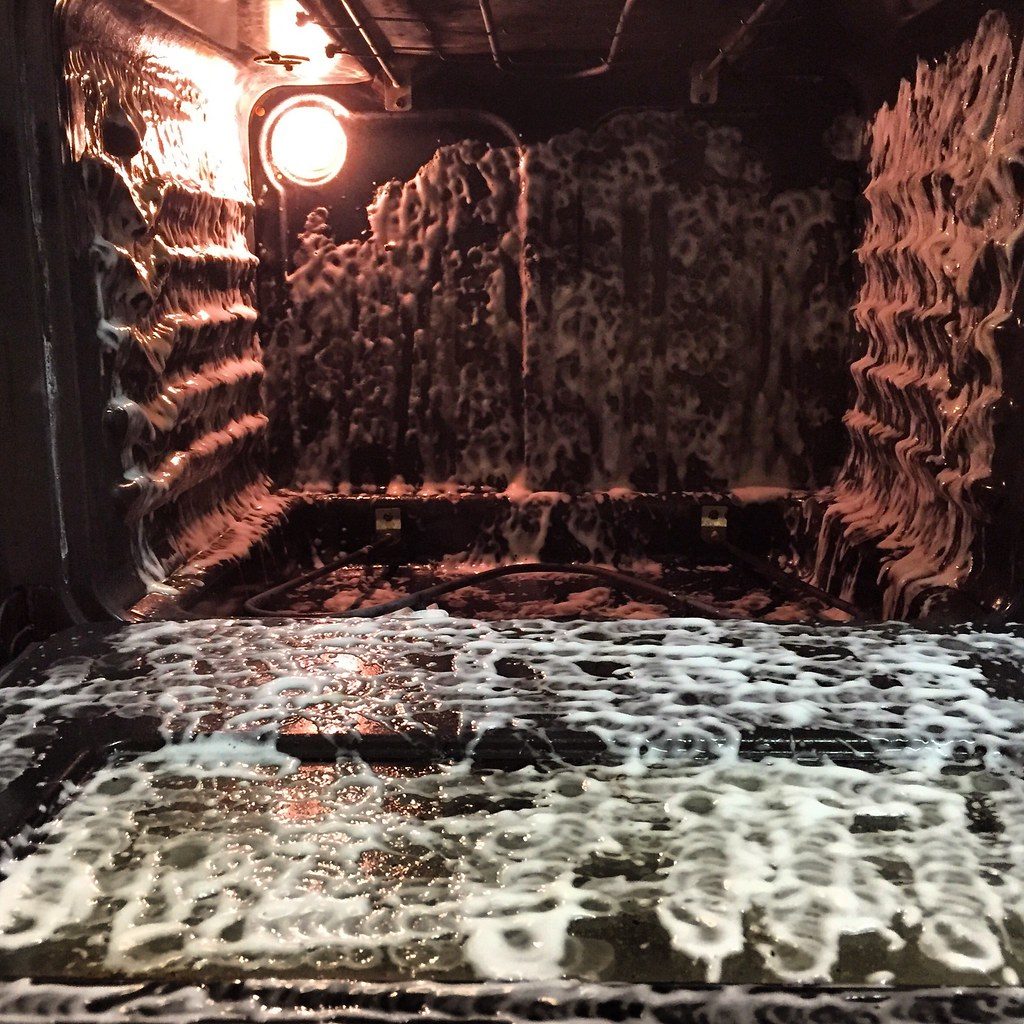
Ten minutes, one ingredient, no scrubbing. The white crust is a mineral, so it needs an acid, not effort.
Guide
A baking-soda method that needs no caustic spray.
Article
Most cleaning failures are a product wiped off before it had a chance to work. The instruction to leave it is not padding.
Article
Vinegar ruins marble, soda pits aluminium, and both are perfectly natural. What matters is the chemistry, not the origin story.
Article
A cupboard of specialist sprays is mostly the same four chemicals at different dilutions. Here is the short list.
Article
Most cleaning failures are a pH mismatch rather than a lack of effort. Here is the short version.
Product
An acid in powder form. Does what vinegar does, without the smell, and stores as a dry powder for years.
Product
Sodium bicarbonate. Mildly alkaline and mildly abrasive — the gentle option, and the one that absorbs smells rather than covering them.
Product
Sodium carbonate. Strongly alkaline, which makes it the one to reach for when the problem is grease rather than limescale.
Product
Acetic acid at around 8% — stronger than the vinegar you cook with, and the cheapest descaler there is.
Product
A plant-based spray for glass, mirrors and sealed worktops.
For light limescale, yes — citric acid is an acid like any other, and it smells better. For anything heavy, no: lemon juice is weak and inconsistent, it contains sugars that leave a sticky film, and it does not keep. Citric acid powder is the same acid without the sugar, at a strength you control. It carries the same warning as vinegar: never on marble or other calcium-based stone.
No, and the difference matters. Baking soda is sodium bicarbonate, mildly alkaline at about pH 8 and gentle enough to use as a paste on enamel. Soda crystals are sodium carbonate, far more alkaline at about pH 11 — much better on grease, harsh enough to want gloves, and damaging to aluminium. Swapping one for the other in a recipe is not a small change.
Not really. An acid and an alkali neutralise each other: the dramatic fizz is the reaction finishing, and what you are left with is mostly salty water. Each is genuinely useful on its own — vinegar on limescale, baking soda on grease and smells — so use them one at a time and give each one a few minutes to work. The fizz is only useful for physically loosening debris in a drain.
Wipe spills while the oven is still warm and a deep clean becomes a twice-yearly job rather than a monthly one. Burnt-on carbon is far harder to remove than fresh grease.
No. Marble is calcium-based and vinegar is an acid, so it etches the surface rather than cleaning it. The dulling is permanent — the stone itself has dissolved. Use a pH-neutral cleaner made for natural stone.
No. The combination releases chlorine gas, which burns the eyes and airways. This is one of the pairs Poetsbijbel refuses to publish a recipe for. Use one or the other, and ventilate the room.