Guide
Resetting microfibre cloths (stripping)
When water beads on a cloth instead of soaking in, residue has built up. This strips it and restores the absorbency.
- Difficulty
- Easy
- Time
- 180 minutes
Guide
When water beads on a cloth instead of soaking in, residue has built up. This strips it and restores the absorbency.
Guide
Routine washing that keeps cloths absorbent and lint-free — and the sorting rule that stops one oily cloth ruining a whole load.
Article
More product does not mean more clean. Past a certain point the extra is residue you will have to remove later.
Article
Heat helps grease and hurts protein. Getting that the wrong way round is why some stains set permanently.
Article
The reason contaminated cloths get their own load, even with the right detergent.
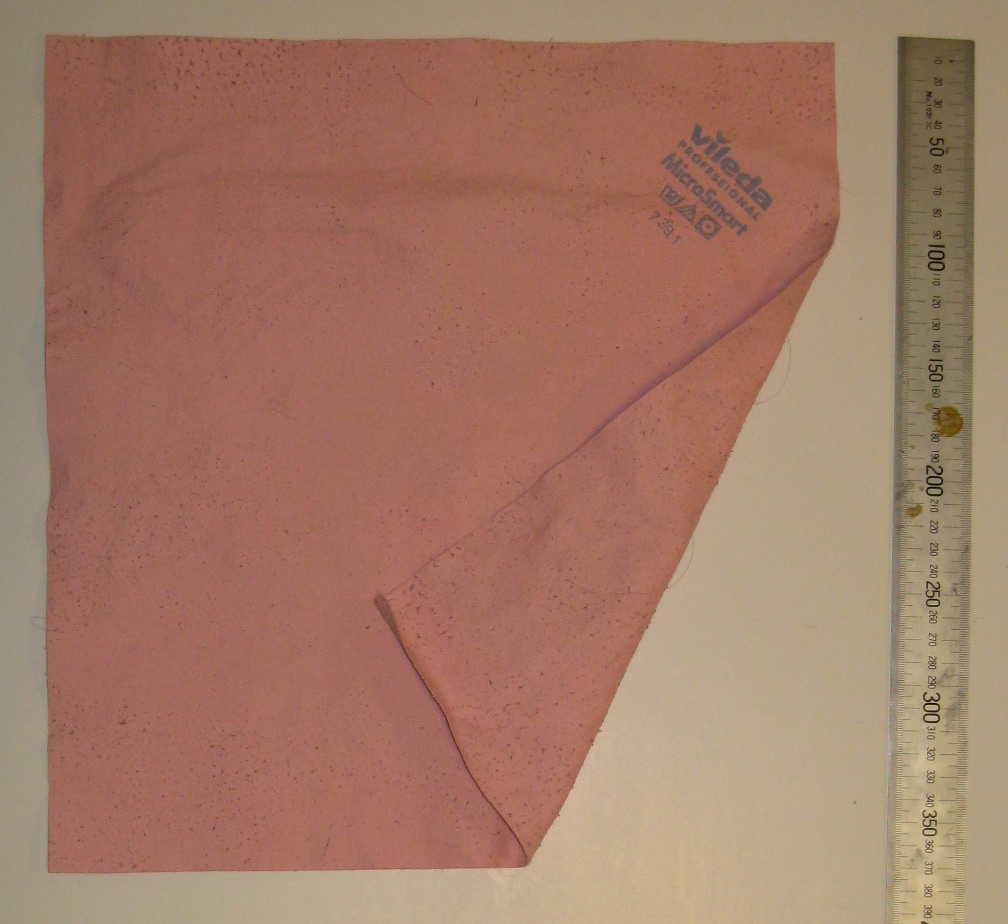
Article
Plush, waffle, flat and edgeless are not marketing words — they are different tools. The short field guide.
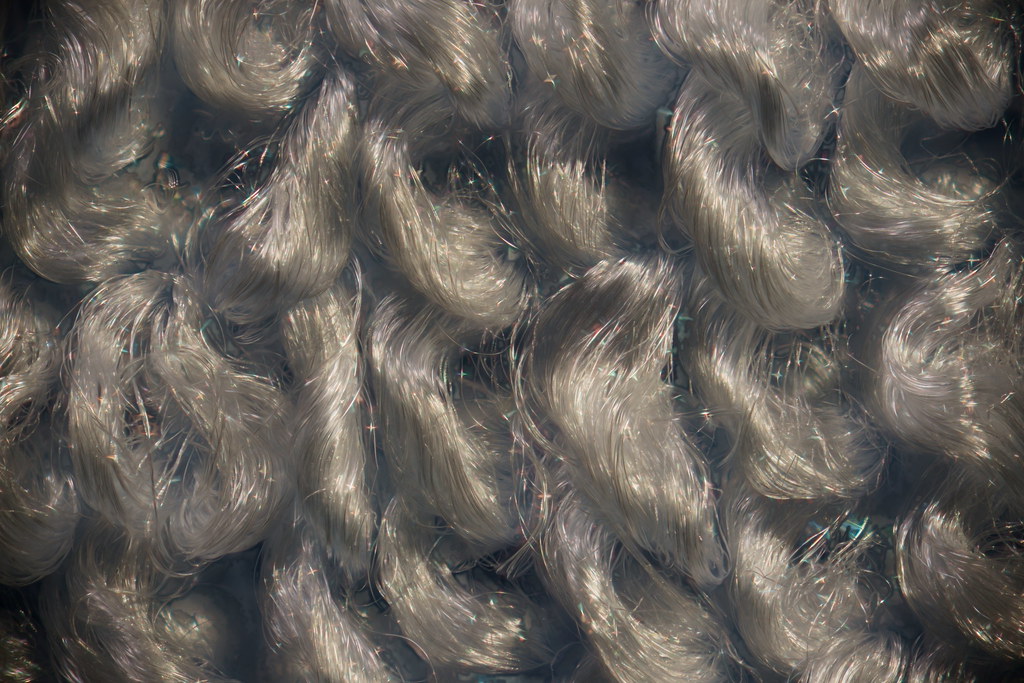
Article
Composition, weight and edges — the three things on the label that predict how a cloth will behave, and the one test the label cannot fake.
Product
Sodium bicarbonate. Mildly alkaline and mildly abrasive — the gentle option, and the one that absorbs smells rather than covering them.
Product
Fragrance-free liquid detergent developed for sensitive skin, which is precisely the profile — no perfume, no softener, no silicones — that microfibre needs.
Product
Fragrance- and dye-free laundry liquid, safe for microfibre. The ZERO dish soap from the same line is the one to use in the DIY degreaser.
Product
A fragrance-free liquid detergent — one of the three the microfibre guide approves for washing cloths without ruining their absorbency.
For occasional use, yes — 120 ml in the drum strips detergent residue and limescale, which is exactly the microfibre reset. As a routine softener, no: continual acid exposure is hard on rubber seals and hoses. Once every few months is a maintenance job; every wash is wear.
Detergent residue and body oils build up in the drum, the door seal and the detergent drawer, and low-temperature washes never get hot enough to clear them. Wipe the rubber seal dry after a wash, leave the door ajar between loads, and run an empty cycle at 60°C or higher every month or two. Using less detergent helps more than using more.
A fragrance- and silicone-free liquid, in a minimal dose: Sodasan Sensitive, Ecover ZERO Sensitive or Neutral Sensitive. Powder and softener are out, and more detergent is not cleaner — the excess stays in the fibres as residue.
Grams per square metre — the weight, and effectively the thickness, of the cloth. Under 300 GSM: thin, sacrificial cloths for floors, wheels and the toilet. 300–400: glass and general surfaces. 400–600: soft plush for polishing. 600+: thick drying towels.
30–40°C for the normal wash — sustained high heat hardens the synthetic fibres. 60°C is for two cases only: the reset treatment, and loads contaminated with oils or polish. Dry on air or the lowest tumble setting.
Beading means the fibres are coated — by fabric softener, detergent overdose or limescale — so the cloth can no longer absorb. It needs a reset: a hot wash without detergent, an acid cycle with 120 ml of white vinegar or 2 tablespoons of citric acid, and a clean extra rinse.
A short-pile microfibre for glass and polished surfaces, a waffle-weave for drying, and a plain cotton cloth for anything involving solvents — solvents degrade microfibre.